


Managing waste streams does not always make headlines, but it is a critical process in society with economic and environmental impacts. For businesses and communities, waste management requires strategic planning, financing, and infrastructure. It can also be a lever to manage costs, generate revenue, and advance sustainability goals.
In this piece, we consider what lessons can be learned from an innovative and ambitious initiative in Chicago, known as the Green Era Campus, an agriculture hub for the local community and the first anaerobic digester for packaged food waste in the United States. BMO, though its partnership with the United Way of Metro Chicago, is a philanthropic partner of the Green Era Campus.
What is anaerobic digestion?
Anaerobic digestion is a naturally occurring process. Bacteria break down organic matter (e.g., food waste, manure) without oxygen and produce biogas and digestate. Biogas is a renewable energy source and digestate can be used as compost, fertilizer, peat moss replacement, and other products. Anaerobic digestion is widely used around the world to manage waste and generate renewable energy. For example, 48 countries participate in the Global Methane Initiative (GMI), a public-private partnership focused on methane abatement and use in key sectors, including biogas.
Businesses and communities around the world are leveraging anaerobic digestion to divert waste and generate renewable resources. This adoption trend speaks to findings from the third BMO Climate Institute Business Leaders Survey, in which most respondents say they are concerned about the impacts that both climate change and energy costs will have on their businesses. Yet 88% are confident that their actions are making a difference. Respondents pointed to climate actions such as using renewable resources and zero carbon emitting energy.
By diverting animal, food, and organic waste, organizations can reduce their methane emissions and develop an additional source of renewable energy.
-- Emily Hobbs, Senior Advisor, BMO Climate Institute --
Depending on the scale, businesses can potentially offset operational costs through reduced waste diversion and energy burden. There is also potential for additional revenue from sales of renewable natural gas, biogenic CO2, organic fertilizer, as well as the associated environmental attributes.
Types of digesters
There’s not a one-size-fits-all solution for waste diversion. Digesters of varying design and size meet different waste management, environmental, and business needs. For example, agricultural and livestock operations can build on-farm digesters to manage manure and odor, while other businesses and communities can leverage stand-alone anaerobic digesters for food and other organic waste. Additionally, micro- and small-scale anaerobic digesters can serve local and rural community needs—such as generating power and cooking gas.
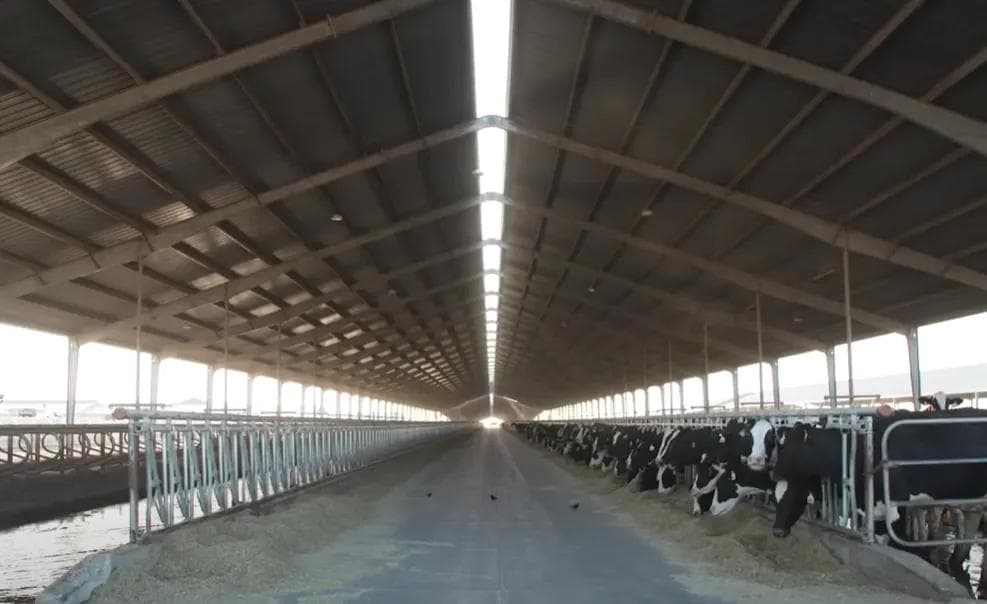
As of 2024, in the U.S., there were 400 manure-based anaerobic digesters in operation (up from just 25 in 2000) and as of 2021, Canada had nearly 300 biogas & renewable natural gas projects in operation. Uptake is often boosted by awareness and education and—importantly—available incentives and financing. Diverting manure and organic food waste, which are significant sources of methane, to anaerobic digesters lowers emissions and produces renewable energy and resources.
According to Steve Kehoe, Director, BMO Capital Markets, anaerobic digestion is an effective tool to manage waste and odor on farms and a growing area of opportunity, especially in the agriculture industry. Digesters can create competitive advantages when organizations leverage incentives, tax credits, and valuable outputs like digestate and renewable natural gas—or generate carbon credits from their biogas operations. To support continued innovation, in 2023, BMO and Imperial Oil contributed to the University of Calgary's Schulich School of Engineering with a broad goal to advance renewable fuel development, including renewable natural gas.
Communities can be home to stand-alone digesters to drive job growth and local investment and to meet their environmental needs. For Chicago, for example, food waste is the largest solid waste stream sent to landfills. Diverting food waste via anaerobic digestion not only reduces methane in the atmosphere but returns renewable natural gas to the grid, which displaces fossil-based natural gas, and provides nutrient-rich compost to the local Chicago food system.
Green Era Campus
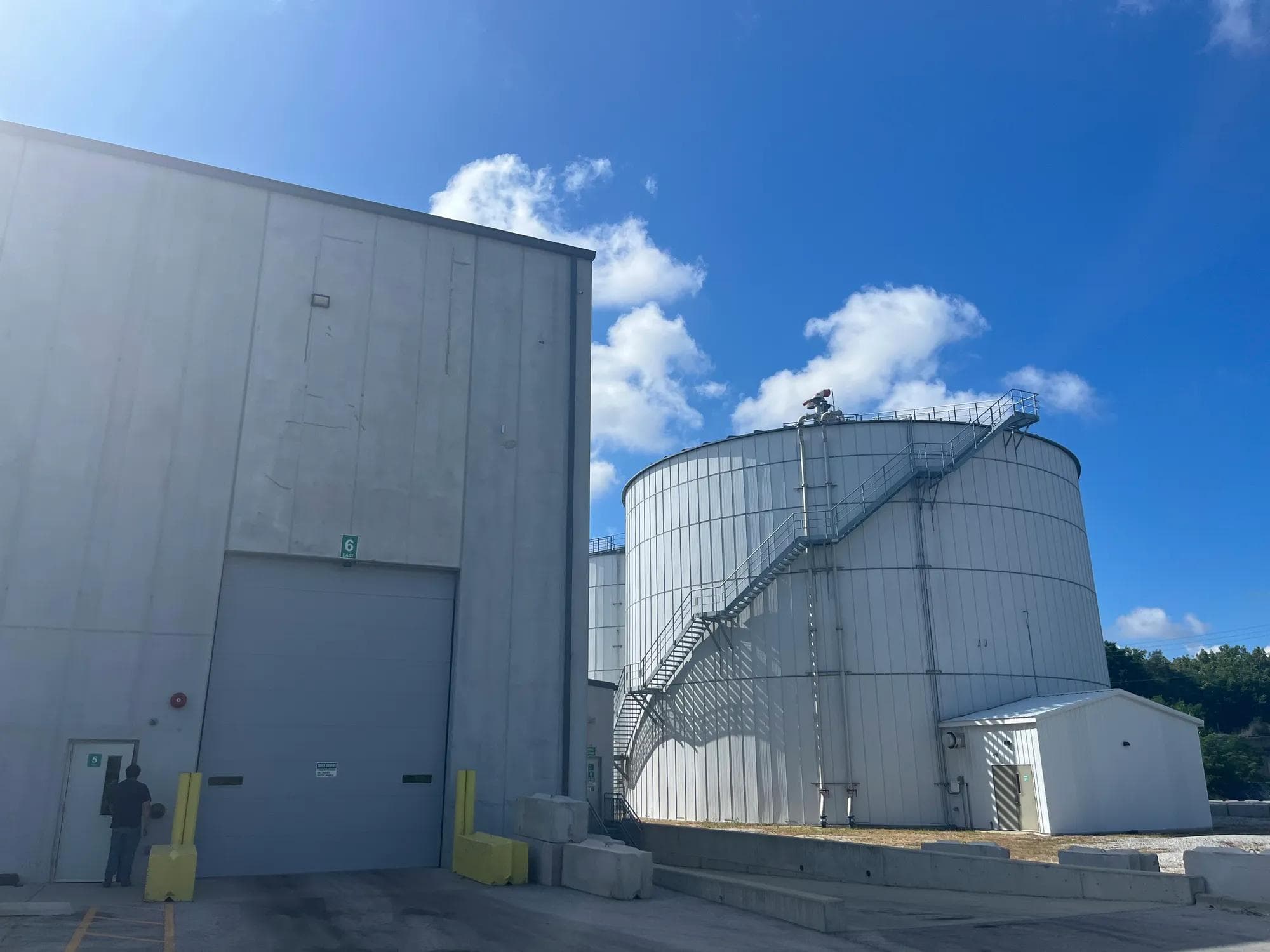
Recently, BMO had the opportunity to tour the Green Era Campus in the Auburn Gresham neighborhood in Chicago. The Green Era Campus represents decades-long community-led work to redevelop a vacant, nine-acre brownfield into a renewable energy facility and a center for economic empowerment, clean energy, locally grown food, and community education.
Through our long-standing partnership with United Way of Metro Chicago and its Neighborhood Network Initiative, BMO is a proud philanthropic supporter of the Green Era Campus. The philanthropic partnership reflects BMO’s commitment to invest deeply in local neighborhoods and to empower community-led change at scale.
The Green Era Campus is home to the first U.S.-based anaerobic digester designed to process packaged food waste and create compost fertilizer to grow more food. It supports local urban agriculture and supplies 3,000 households with renewable natural gas.
Since launching in 2024, the project impact and ROI are already clear. The Green Era Campus has:

Returned twice as much methane to the grid (net carbon-negative fuel) than originally projected.
Diverted 40,000 tons of food waste, such as unused packaged produce.
Signed contracts with well-known local dairies, grocery stores, and distributors to divert packaged food and beverage waste from landfill.
Pursued additional support through New Market Tax Credits and other programs—building on the catalytic funding from United Way of Metro Chicago and BMO.
Compost from the digester also aids local food production, and the on-site operations created 15 full-time roles that benefit the local community. The Green Era Campus partnered with Chicago Public Schools for youth training and educational and design opportunities on the campus.
The initial concept and grassroots efforts to bring the Green Era Campus to life on the South Side of Chicago trace back to 2000 and co-founder Erika Allen’s Father, Will Allen, the famed urban agriculture innovator who piloted a biodigester that inspired today’s Green Era Campus. Over the past two decades, a coalition of supporters and local leaders have worked to develop strategic plans, identify and acquire the site, win grant funding, and build the infrastructure.
The Green Era Campus works in collaboration with the larger Auburn Gresham Neighborhood Network, supported by United Way of Metro Chicago, which brings together neighborhood leaders and organizations to identify and execute a neighborhood-level plan for transformation in the Auburn Gresham neighborhood.
What makes the Green Era Campus successful is the partnerships model and specialized role for each organization:
The Urban Growers Collective manages the campus and holds a 99-year lease on the site.
Green Era Educational NFP serves as the site owner and developer.
The Greater Auburn Gresham Development Corporation (GAGDC) and Urban Growers Collective co-manage Green Era Sustainability, the project developer and investment entity.
A unique aspect of this partnership is GAGDC’s use of funding to achieve a 30% stakeholder status in the project, providing an income-generating opportunity for a local 501c3 organization.
The Green Era Campus is a notable example of strategic climate action designed to address climate change and generate resources for the community—in the form of renewable natural gas, digestate, green jobs, and educational opportunities. The project reflects the scale and impact that is possible through effective public-private partnerships with a strong shared vision, a topic explored on an episode of BMO’s Sustainability Leaders podcast.
Work remains to bring the entire vision to life. The team will continue to focus on the circularity of the recycled materials from the packaged food waste, and the campus will eventually incubate small businesses and house climate research and education. Urban Growers Collective has acquired a long-vacant building to establish its first centralized headquarters, training center, and operations hub. Located next to the Green Era Campus’ anaerobic digester, the project creates a coordinated system linking food production, job training, small-business incubation, and waste-to-energy infrastructure. The initiative strengthens local economies, expands workforce pipelines, and brings a productive community asset back into active use.
Reflections
The work and partnerships at the heart of the Green Era Campus are unique—but can serve as a blueprint for climate action and local solutions that support financial and community progress.
In reflecting on the Green Era Campus, we think business and community leaders can consider:
How do you identify opportunities for circularity (water, waste, and other resources) across your footprint to reduce costs and create value for your organization or community?
Partners that bring complementary skills, resources, and opportunities to the table. Who do you need at your table to achieve your mission—and to help you grow, scale, finance your work and manage risk? And how are the organizations structured?
Large-scale impact and change require a longer time horizon. What work are you advancing today that is building opportunity and resilience?