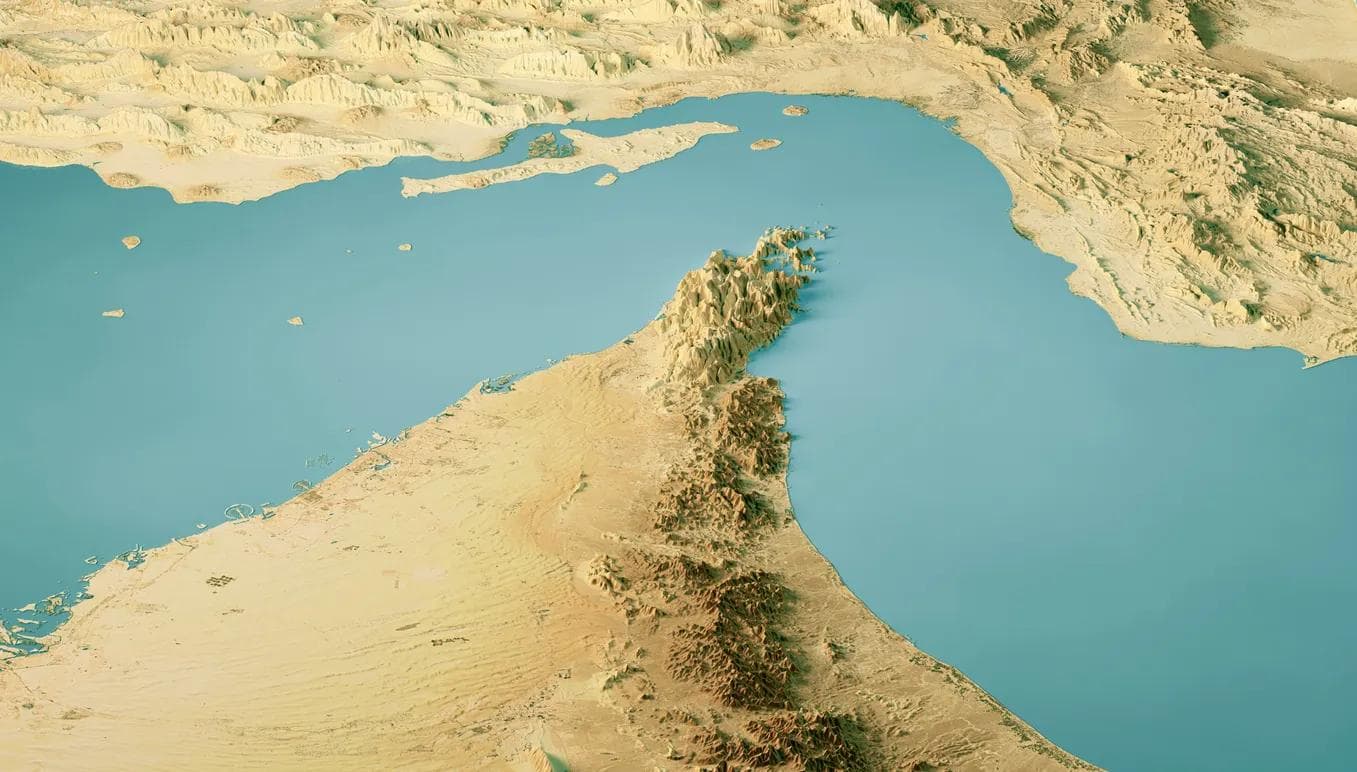
Now that we have a clearer grasp of the parameters around the conflict with Iran, with U.S. President Trump suggesting it could last four to five weeks, and Iran threatening to shut the Strait of Hormuz, we can better assess the potential economic impacts. First, the initial, muted market reaction appears to have understated the risks involved and there are significant possible implications for the global economy. Second, there is still a great deal of uncertainty and we have considered a range of scenarios for the net impact on the forecast.
Clearly, the key variable for the outlook is the impact of the conflict on energy prices. After an initially mild response, WTI bounced another 7% on Tuesday to around US$76/bbl, nearing the highs of 2025 (last January) and up from less than a US$60 average in the first month of this year.
It’s early days, and the war has already provided a number of surprises; notably, the suspension of passage through the Strait of Hormuz and attacks across many Gulf countries. It is possible that the war lasts longer than some expert predictions of a few weeks. There are many risks that could arise, e.g., damage to regional energy infrastructure in Iran and other Gulf countries. Iran could also have built up a much larger stockpile of weapons (especially drones) since last year's Twelve-Day War, which would prolong the conflict. And one cannot completely discount the possibility of the Strait of Hormuz being effectively closed for an extended period. In other words, crude oil prices are likely to remain highly volatile for a while yet.
Of the four scenarios we considered, a few see the price spiking temporarily above US$100, but most look for a return to the mid-US$60 range by the fourth quarter of the year. But, given the high degree of uncertainty, we have taken a weighted average of the scenarios to determine our new forecast for WTI prices. That raises our baseline assumption to just under US$69 for 2026, which compares with our earlier assumption of US$60. (For perspective, WTI had averaged just above US$60 over the past six months.)