

This is the first in a new series by the BMO Climate Institute examining the intersection of energy, climate, and economics. This article explores how the conflict involving Iran has exposed structural vulnerabilities in the global energy system and how clean energy can help diversify the energy mix, reduce uncertainty, and increase resilience.
A system exposed, not a crisis created
The Iran conflict did not create today’s energy insecurity.
By threatening flows through the Strait of Hormuz, the conflict has once again demonstrated how heavily the global economy depends on a narrow set of transit routes. Roughly a quarter of seaborne oil trade and a fifth of global liquid natural gas (LNG) volumes rely on the strait, such that disruptions lead to outsized economic impacts.
Price spikes, emergency releases of strategic petroleum reserves, and production curtailments in Gulf exporters without alternative routes have followed a familiar pattern: short-term stabilization through fossil-fuel flexibility, alongside longer-term uncertainty.
This dynamic underscore a persistent structural risk. In a system where energy supply is geographically concentrated, capital-intensive, and exposed to geopolitical leverage, volatility is not an exception.
The advantages and limitations of renewables
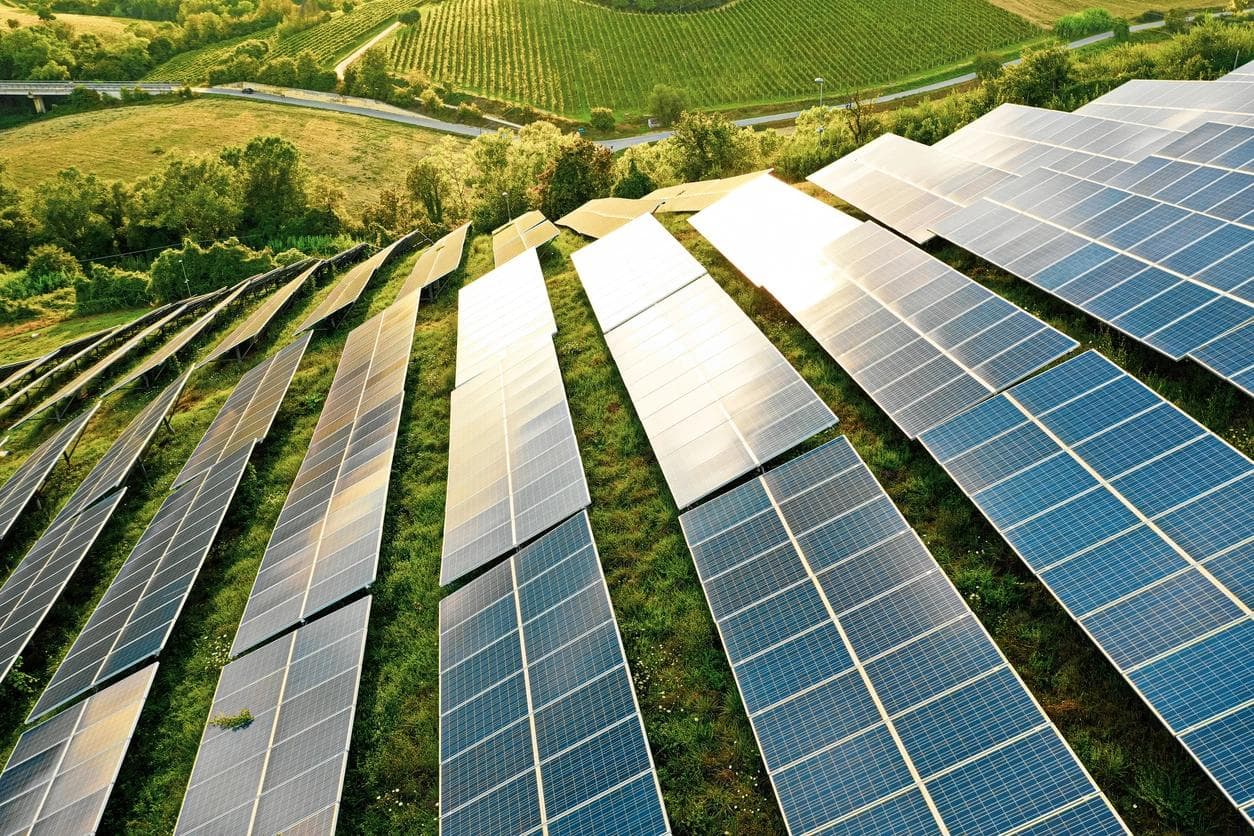
Countries with a higher share of domestic, non-fossil electricity generation have been better insulated from recent price turbulence. Wind, solar, hydro, and nuclear power systems rely on local resources and fixed-cost infrastructure rather than globally traded fuels, reducing direct exposure to commodity market swings.
This pattern is visible across several economies. Norway, where hydropower supplies the vast majority of electricity, experienced far more limited power-price volatility than gas-dependent European peers despite being deeply integrated into regional markets. Canada, with a power system dominated by hydropower and nuclear generation, likewise saw relatively stable electricity prices even as global oil prices surged.
In the U.S., outcomes varied by region: states with higher wind and solar penetration and limited reliance on gas-fired marginal pricing showed greater electricity price stability than regions more exposed to gas.
This insulation, however, remains uneven. Even countries with high renewable penetration can experience volatility when gas-fired plants continue to set marginal prices. Moreover, oil remains deeply embedded in transportation, fertilizers, petrochemicals, and many industrial processes that are not easily electrified. As a result, energy shocks still translate into broader inflation and rising consumer costs.
The implication is not that renewables underperform, but that the resilience benefit depends on system design. Without parallel investment in grids, storage, electrification, and demand reduction, renewable deployment alone cannot fully sever exposure to geopolitical fuel shocks.
Energy transition as security policy
As in the aftermath of Russia’s invasion of Ukraine, the Iran conflict is accelerating a subtle but important shift in policy framing. Energy transition is increasingly understood less as a climate exercise and more as a question of sovereignty, macroeconomic stability, and national security.
This reframing is now explicit in policy signals from multiple governments. The European Union and several member states have linked accelerated renewable deployment, grid expansion, and energy-efficiency mandates to reducing dependence on imported fuels. Japan and South Korea have emphasized clean energy investment, nuclear restarts, and hydrogen strategies as tools to strengthen energy security in a volatile geopolitical environment. In the U.S., recent federal actions increasingly frame domestic clean-energy investment as a means of enhancing supply-chain resilience and strategic competitiveness, alongside emissions reduction.
At the same time, the security lens carries trade-offs. A stronger emphasis on domestic supply chains may raise costs and slow diffusion. Countries with limited fiscal space may face higher prices and rationing rather than investment-led resilience. The risk is a transition that advances unevenly across economies.
Short-term disruption, long-term signal
In the short term, conflict raises emissions through military activity, infrastructure damage, and emergency fossil-fuel use. In some parts of the world, political attention and capital are diverted from climate finance toward crisis management.
Over the longer term, however, the signal is clearer. The global energy system benefits from diversification and inclusion of more renewable energy sources. This recognition is already shaping longer-term planning, particularly in Europe and parts of Asia, toward faster electrification, greater reliance on domestic energy resources, and strategic reserves that extend beyond oil.
Bottom line
The Iran conflict reinforces interlinked realities. Expanding clean, domestically sourced energy can strengthen resilience to geopolitical and economic volatility, particularly when deployed as part of an integrated system.
Energy security, climate outcomes, and supply-chain resilience are no longer separate policy domains. The challenge ahead is ensuring that efforts to reduce one form of dependence do not simply substitute another and that resilience becomes a defining design principle of the energy transition itself.
For both corporates and investors, the Iran conflict reinforces that energy choices are now balance-sheet decisions: those tied to domestic, resilient systems are better positioned to manage volatility, protect margins, and deploy capital through future shocks.