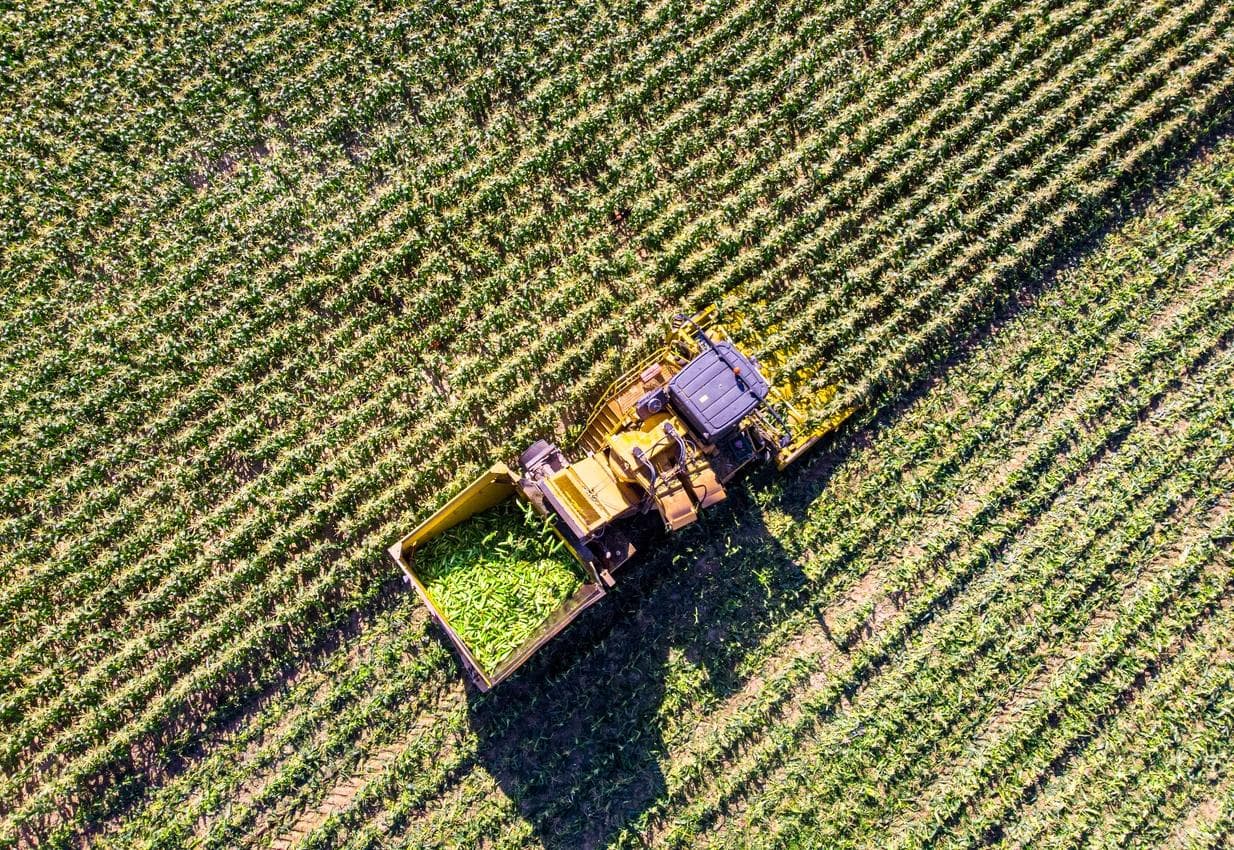


Agriculture has long been understood as a system defined by weather, yields, and commodity cycles. But that framing is incomplete. Agriculture is also closely linked to energy systems through fuel, fertilizer production, transportation, and mechanization.
Recent shocks in energy markets have increased the visibility and significance of this relationship, making energy cost volatility a more prominent driver of farm profitability and risk management than many producers have experienced in recent decades.
Importantly, rising energy prices do not affect agriculture solely through higher costs. Commodity prices often move alongside energy markets, creating opportunities for producers to offset some cost increases through stronger crop prices. The net impact therefore depends not only on input costs, but also on a producer's ability to market agricultural products effectively and capture favorable pricing opportunities. From input selection to crop choice, producers are responding not just to agronomic conditions, but also to fluctuations in energy prices that are largely outside their control.
This dynamic highlights an important reality: while weather remains a fundamental driver of agricultural outcomes, energy market volatility is increasingly influencing production costs, profitability, and operational decisions. As a result, resilience depends not only on managing weather-related risks but also on managing exposure to volatile energy-dependent inputs. Farm profitability, production stability, and long-term competitiveness are becoming tightly linked to how effectively producers manage their exposure to energy.
"From input selection to crop choice, producers are responding not just to agronomic conditions, but also to fluctuations in energy prices that are largely outside their control." -- Alma Cortes Selva
The relationship between prices of energy, fertilizer and agricultural goods

What appears to be a cost challenge is, in reality, a structural change in what drives success in the sector. Yield remains a critical driver of farm profitability. However, in today's environment, strong yields alone may not guarantee financial success. Input costs, energy exposure, grain marketing strategies, and risk management decisions play an increasingly important role in determining margins. Increasingly, the ability to manage input volatility, reduce dependence on energy intensive systems, and adapt operations accordingly will determine which producers and systems remain resilient in a more uncertain environment.
This dynamic can be observed directly in commodity price data, where energy price movements propagate through fertilizer markets and into agricultural systems.
This relationship is not just conceptual. Energy prices move first, fertilizer prices follow and amplify those movements, and agricultural markets absorb the resulting volatility. The pattern reflects a transmission chain through which energy markets shape farm-level economics.
The relationship between energy and agriculture is not new. Previous energy shocks, including those experienced during the 1970s and more recently following Russia's invasion of Ukraine, contributed to sharp increases in fertilizer prices and significant pressure on farm margins. What distinguishes today's environment is not the existence of the relationship itself, but the persistence of volatility and the growing recognition that energy markets can significantly influence farm economics.
Energy and fertilizer price averages
| Jan-Mar 2026 average | Apr-Jun 2026 average | July 2026 |
|---|---|---|---|
Brent Crude Oil ($/bbl) | 80.5 | 104.4 | 83.4 |
Natural Gas Europe ($/mmbtu) | 13.63 | 15.58 | 18.06 |
Urea Fertilizer ($/mt) | 537.7 | 639.5 | 400.0 |
Source: World Bank Commodities Price Data (The Pink Sheet), August 2026.
The pattern in the data reflects the energy intensity of fertilizer production, particularly nitrogen fertilizers, which rely heavily on natural gas as both an energy source and feedstock. During the first half of 2026, Brent crude oil and European natural gas prices increased relative to first-quarter averages, contributing to higher fertilizer costs. Urea prices averaged $639.50 per metric ton during April–June 2026, up from $537.70 during January–March, illustrating how volatility in energy markets can be transmitted into agricultural input costs. Although urea prices declined to $400.0 per metric ton in July, the broader pattern highlights the sensitivity of fertilizer markets to changing energy and commodity market conditions. As a result, volatility originating in energy markets is not only transmitted into agriculture but can be amplified before reaching the farm level.
Cost volatility is reshaping farm decisions
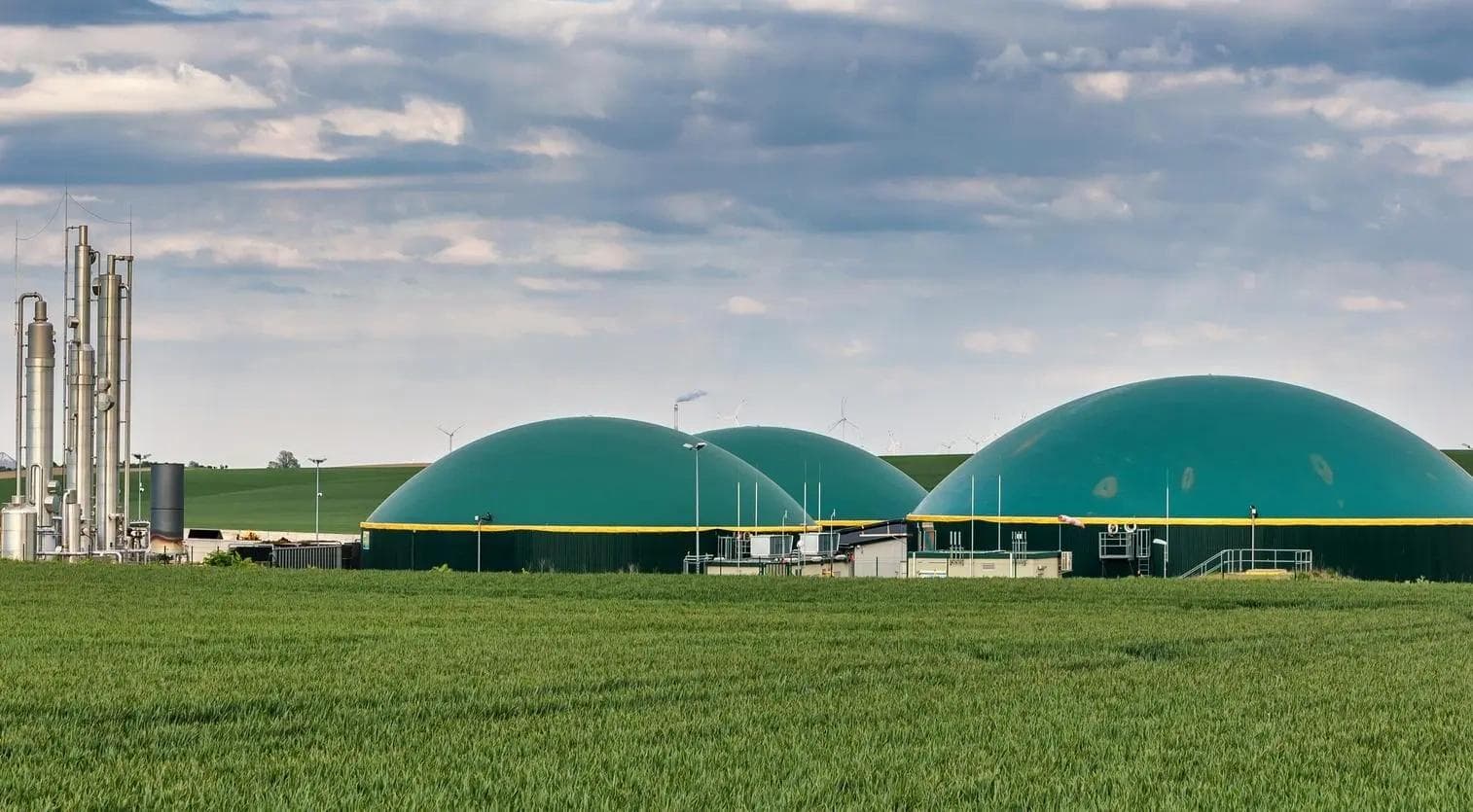
The consequences of this exposure are already visible in how farmers operate. As input costs rise, producers are forced to navigate difficult tradeoffs that directly affect production outcomes.
Many producers respond by adjusting fertilizer application rates, carefully managing operating margins, or making targeted planting changes where rotation, agronomic requirements, and field economics allow. In many operations, established crop rotations and pre-purchased inputs limit the degree to which planting decisions can be altered in the short term.
These adjustments introduce new forms of volatility into agricultural systems. Lower input use can affect yields, while changes in crop selection alter supply dynamics. Because fertilizer and fuel costs track global energy markets, agriculture becomes increasingly sensitive to geopolitical disruption, trade dynamics, and broader macroeconomic instability. This can create a cascading effect where cost pressures influence production, which in turn contributes to variability in food supply and pricing.
The importance of risk management

While energy and input cost volatility create challenges for producers, agricultural businesses have long relied on risk management tools to reduce exposure to market uncertainty. Input purchasing strategies, forward contracting, hedging, and crop marketing programs can help producers manage both costs and revenues.
For example, many producers secure fertilizer and other inputs months before planting. During periods of market disruption, such as the volatility that followed Russia's invasion of Ukraine, farmers who locked in input prices prior to major price increases were often better positioned than those purchasing later in the season. These practices do not eliminate risk, but they can significantly reduce exposure to sudden cost shocks.
As a result, resilience depends not only on reducing energy use or adopting new technologies, but also on effective risk management and financial planning.
A converging risk environment: energy and climate
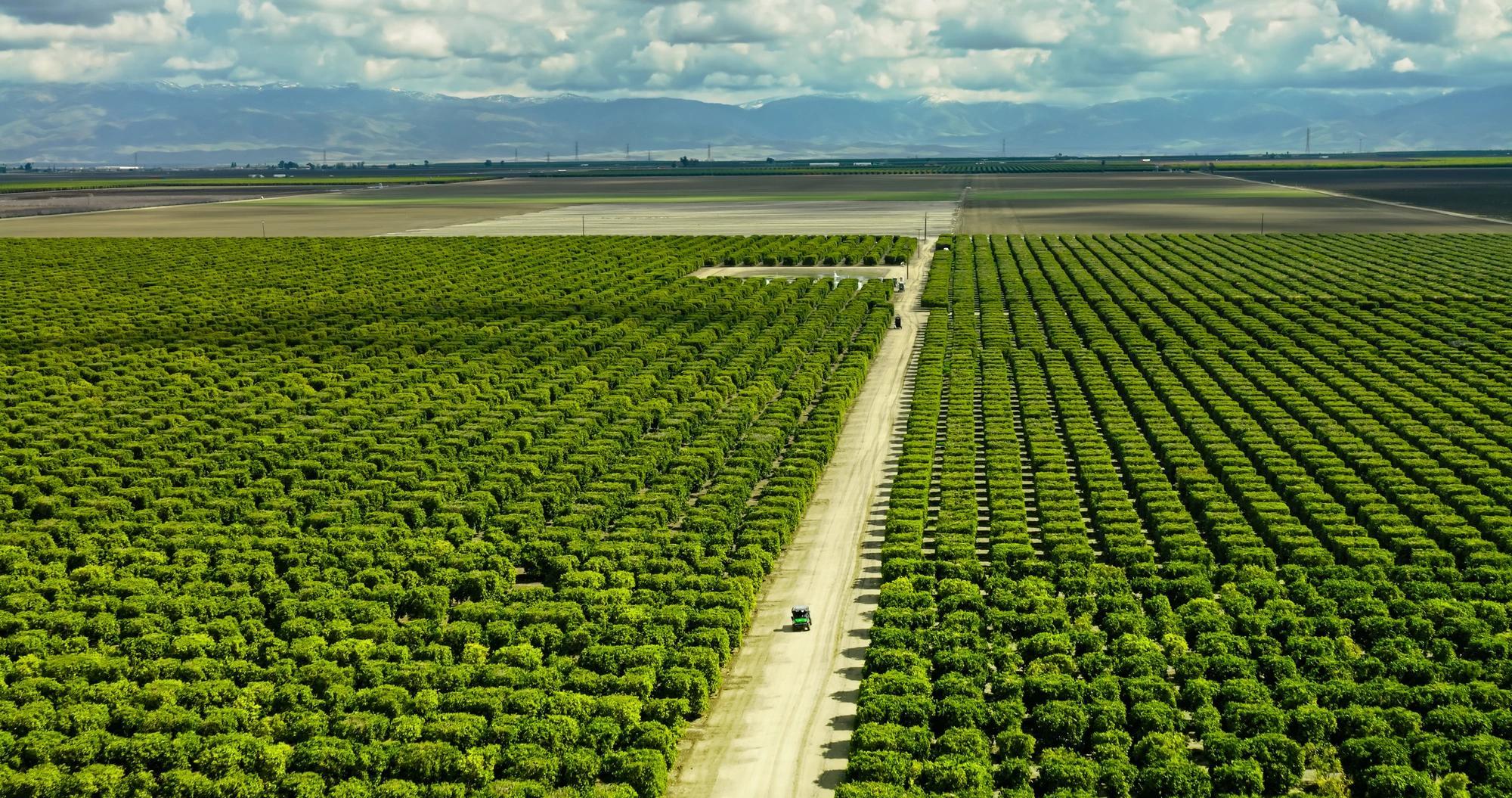
Energy-related pressures are not occurring in isolation. They are increasingly converging with climate-related risks to create a more complex operating environment for farmers. Across the U.S. and Canada, rising input costs are coinciding with drought, water scarcity, and increasing variability in growing conditions.
This convergence creates a dual constraint. It is becoming more expensive to produce food while production outcomes are less predictable. Together, these forces challenge both farm profitability and the reliability of agricultural output at scale. The result is a system facing greater operational complexity and increased sensitivity to external economic and environmental shocks. Many reduce fertilizer use, absorb margin pressure, or shift planting decisions to manage financial risk.
A recent discussion at a sustainable agrifood roundtable hosted by BMO reinforced that these pressures are immediate and widely felt across the sector. Participants described producers as being squeezed from both sides, facing rising input costs alongside uncertain market pricing and ongoing volatility.
Input costs were described as rapidly increasing, while global instability and trade pressures continue to compress margins. At the same time, demand for sustainable and organic products remains present but uneven, creating a disconnect between long-term market signals and near-term financial realities. The consistent theme was that the logic for more resilient agricultural systems is widely understood, but the economics of getting there remain challenging.
Emerging solutions: managing energy exposure
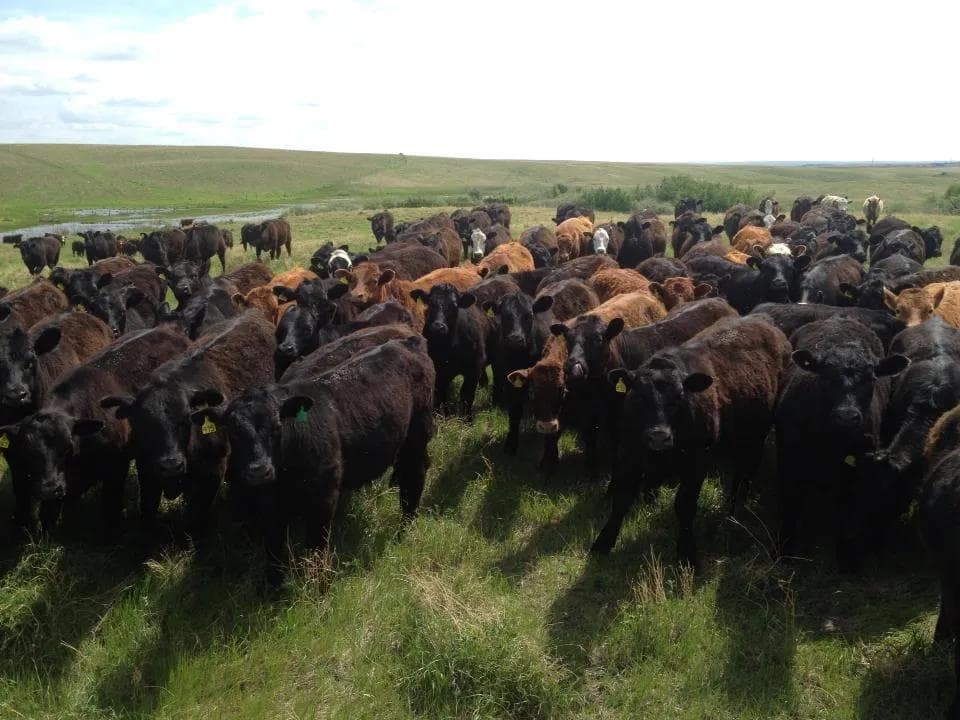
In response to these pressures, a new set of solutions is being explored across the sector:

Precision Agriculture - Precision agriculture has been helping producers optimize fertilizer, chemical, and fuel use for decades. However, in today's environment of elevated input-cost volatility, these technologies are becoming increasingly valuable as tools for cost control, operational efficiency, and risk management. Interest is also growing in alternative fertilizer pathways that reduce dependence on energy intensive production systems.
Controlled Traffic Farming (CTF) - Using GPS-guided systems, CTF minimizes unnecessary equipment transport across fields, reducing fuel consumption while limiting soil compaction and helping preserve soil productivity over the long term.
On-Farm Energy Strategies - Investments in solar energy, energy storage, electrification, and efficiency provide a pathway for farmers to reduce exposure to volatile energy markets and improve cost predictability over time. Alongside these approaches, regenerative practices such as reduced tillage and diversified rotations are gaining attention not only for their environmental benefits but also for their ability to lower fuel use and reduce reliance on synthetic inputs.
These approaches point to an important shift. Sustainability strategies are increasingly aligned with cost management and operational resilience, rather than being viewed as separate or competing priorities. These strategies reduce exposure to the energy driven volatility illustrated above, offering greater cost stability over time.
The transition gap
Despite growing momentum, a critical challenge remains in scaling these solutions. There is a mismatch between the urgency of current pressures and the timelines required to implement structural change. Farmers operate within annual production cycles, while many of the most impactful solutions require multiple years to deploy.
The roundtable discussion highlighted that the primary barrier is not a lack of willingness but the difficulty of managing and financing the transition. Moving toward lower input or regenerative systems is often capital intensive, including weaker economics in the first several years, limited insurance coverage, and increased operational complexity. As a result, adoption depends on whether these transitions are financially viable and supported by capital, insurance, and market structures that can mitigate near-term risk.
Redefining resilience and competitiveness
Energy volatility has long influenced agricultural economics, but recent market disruptions have reinforced its importance as a central factor affecting production costs, profitability, and investment decisions. It is a central force shaping how the sector operates. It influences on-the-farm decisions, compresses margins, and introduces new forms of risk tied to global energy and geopolitical dynamics.
At the same time, it is redefining what resilience and competitiveness look like in practice. The most effective strategies are no longer limited to improving yields or expanding scale. They increasingly focus on reducing exposure to volatile inputs, improving efficiency, and redesigning production systems, so they rely less on energy.
Ultimately, agricultural competitiveness will continue to depend on productivity, yields, and market access. However, as input-cost volatility persists, the ability to manage energy exposure, improve efficiency, and reduce dependence on highly volatile inputs is becoming an increasingly important component of long-term resilience and profitability.
The following people contributed their insights and time to this article:
Leah Weatherill, Head, National Agriculture, BMO Commercial Bank, Canada
Jennifer Peal, Vice President, BMO Commercial Bank, U.S.
Josh Rubin, Director, Sustainable Finance, BMO Commercial Bank, U.S.