


Nine-in-ten business leaders in the U.S. and Canada who have or are developing climate strategies are confident in their actions to mitigate climate-related risks, as they focus on improving their resilience and competitiveness, according to the fourth edition of a survey commissioned by the BMO Climate Institute.
Nearly three-quarters (73%) of respondents say they have or are developing plans to address climate-related risks and opportunities, up from 69% in 2025, the BMO Climate Institute Business Leaders Survey showed.
Pressures from competitors and customers, as well as the rise of Artificial Intelligence (AI), could spur further climate action. A significant majority of organizations in 2026 also see AI as helpful for developing climate plans, understanding risk exposure, and preparing for extreme weather events. While barriers such as cost and talent shortages are currently preventing widespread adoption, 62% of survey respondents expect their companies’ investment in AI to grow in a year.
The fourth edition of the BMO Climate Institute Business Leaders Survey was conducted in January 2026 and included 741 respondents, including 370 in Canada and 371 in the U.S. Survey respondents include individuals in a senior role at their company (e.g. C-suite, President, Vice-President, Executive Director or General Manager) and who consider themselves to be senior decision makers. Companies range from those with at least five employees to more than 500 employees.
Confidence in climate action is growing, and the business case is becoming clearer.
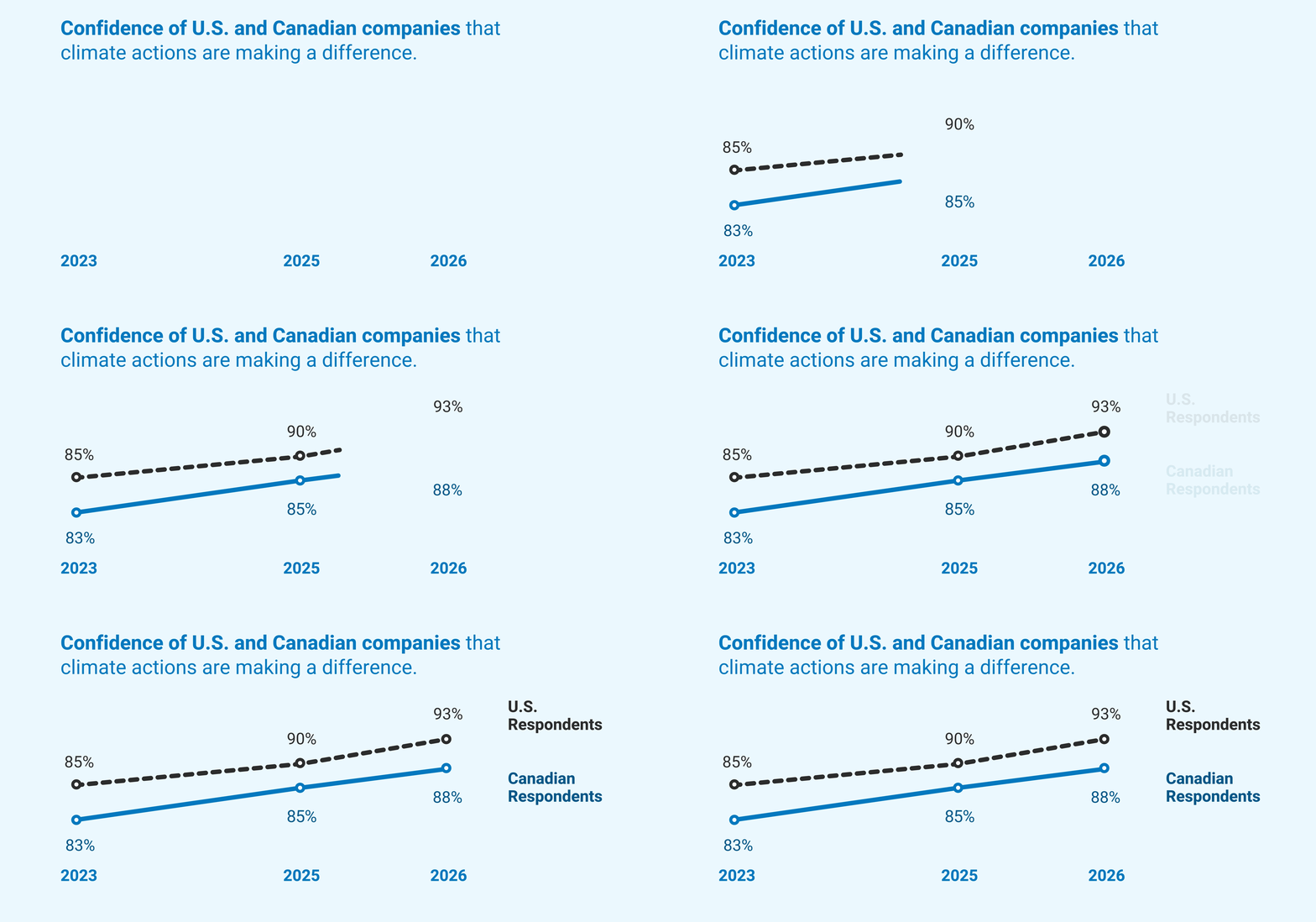
Overall confidence that actions taken to reduce the impact of climate-related risks are making a difference to businesses rose for the second consecutive year, reaching 91% in 2026, up from 88% in 2025 and 84% in 2023. The results signal a clear shift in business thinking—from whether to act on climate-related risks and opportunities to how climate action supports performance and competitiveness.
Among the actions companies have been taking in the past three years, a few stood out as growing and likely contributed to greater confidence. Nearly a third of companies (32%) say they have a formal strategy for tracking and managing supply-chain emissions, up 8 points from 24% in 2023. Furthermore, 38% of respondents say their climate strategies take environmental impact into account when making financial decisions, up 13 points from 25% in 2023.
Confidence has strengthened most notably among U.S. business leaders, even as some government incentives have been rolled back. At the same time, fewer leaders describe themselves as “very confident,” suggesting expectations are rising alongside ambition.
An overall rising trend in confidence has coincided with a view among some companies that taking climate action has a positive commercial impact.
-- Melissa Fifield, Head, BMO Climate Institute --
For example, when asked why are you taking climate action, 30% of respondents said it was so their company can be run more effectively, slightly higher than the 29% in 2025 and 2023. Similarly, 27% of respondents they were taking climate action so their company could be more profitable, edging up from 25% in 2025 and 2023.
Physical risk and extreme weather drive concerns.
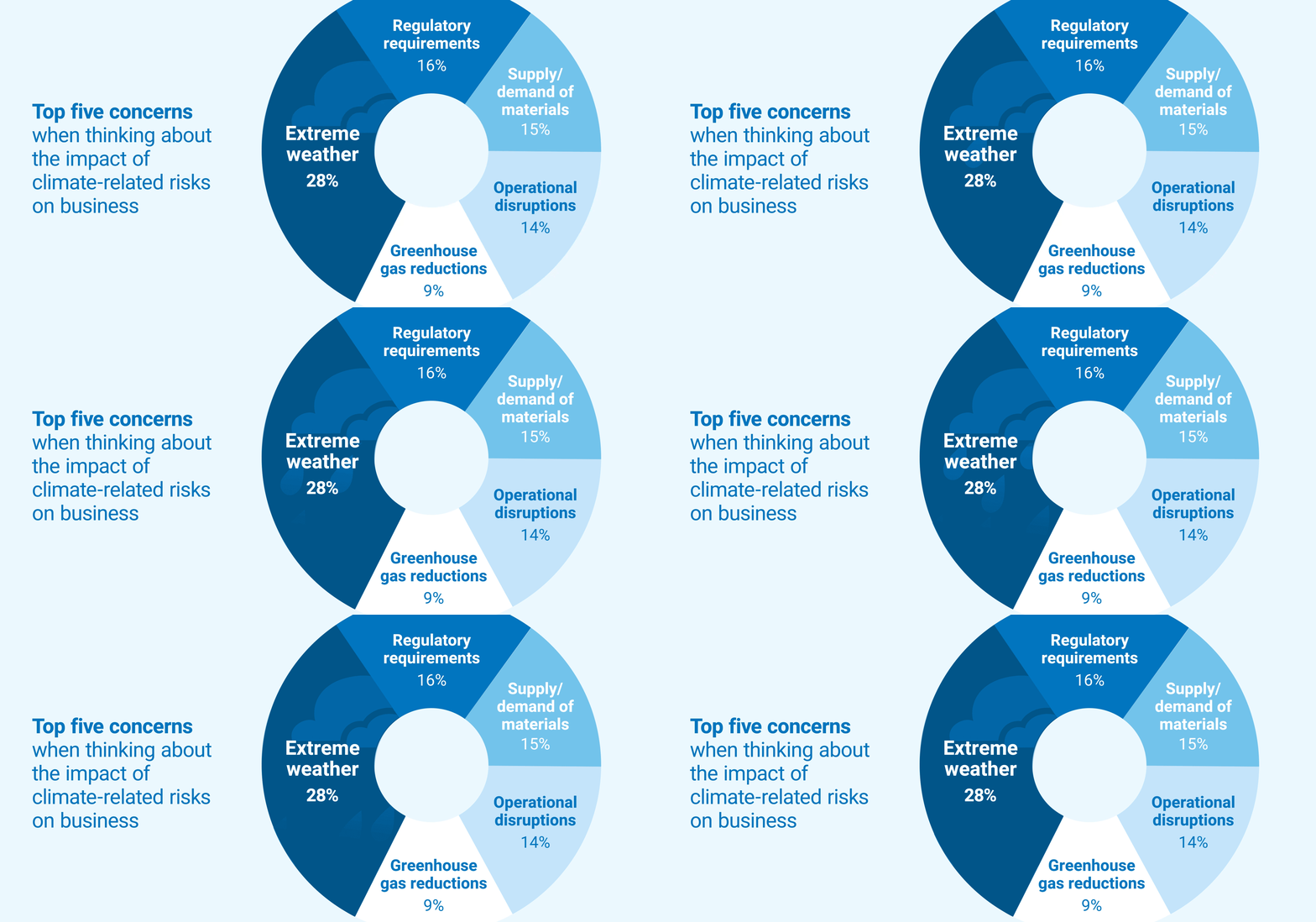
Extreme and unpredictable weather is increasingly front of mind for business leaders considering the impact of climate-related risks on their companies. In 2025, the U.S. had its third-highest number of billion‑dollar disasters ever recorded, while Canada had its second‑worst wildfire year on record in terms of area burned.
Respondents for whom extreme weather is top of mind are more likely than others in the survey to say their companies are already being impacted by increased energy costs, carbon pricing, and deteriorating infrastructure.
Respondents worried about extreme weather are also more likely than others in the survey to see AI as beneficial when it comes to assisting in the development of a climate plan and to be using AI to help their companies become more resilient.
Regulatory changes and competitive pressures may drive business leaders to take more action.
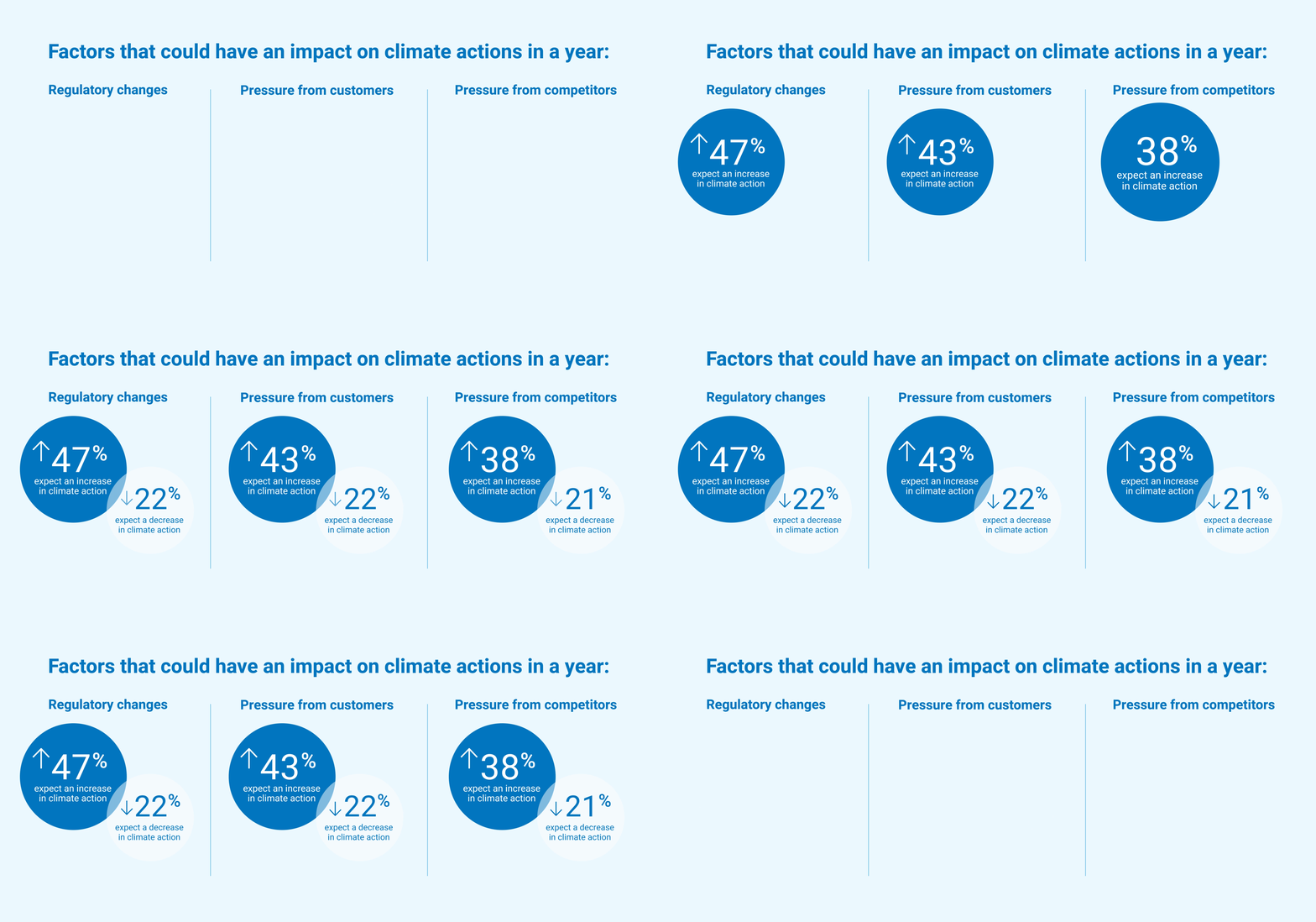
Business leaders expect regulatory changes (47%), customer expectations (43%), and competitive pressure (38%) to be key drivers of increased climate action over the next year. Conversely, respondents were much less likely to say regulatory changes (22%), customer expectations (22%), or competitive pressures (21%) would lead them to take fewer climate actions.
As external pressure increases, many organizations are turning to AI tools and solutions for support. Indeed, more than half of respondents who say they are frequently using AI to help with their climate plans also say they expect regulatory changes (54%) and customer pressures (51%) to lead to further action.
Momentum is building, but costs remain a barrier on climate action.
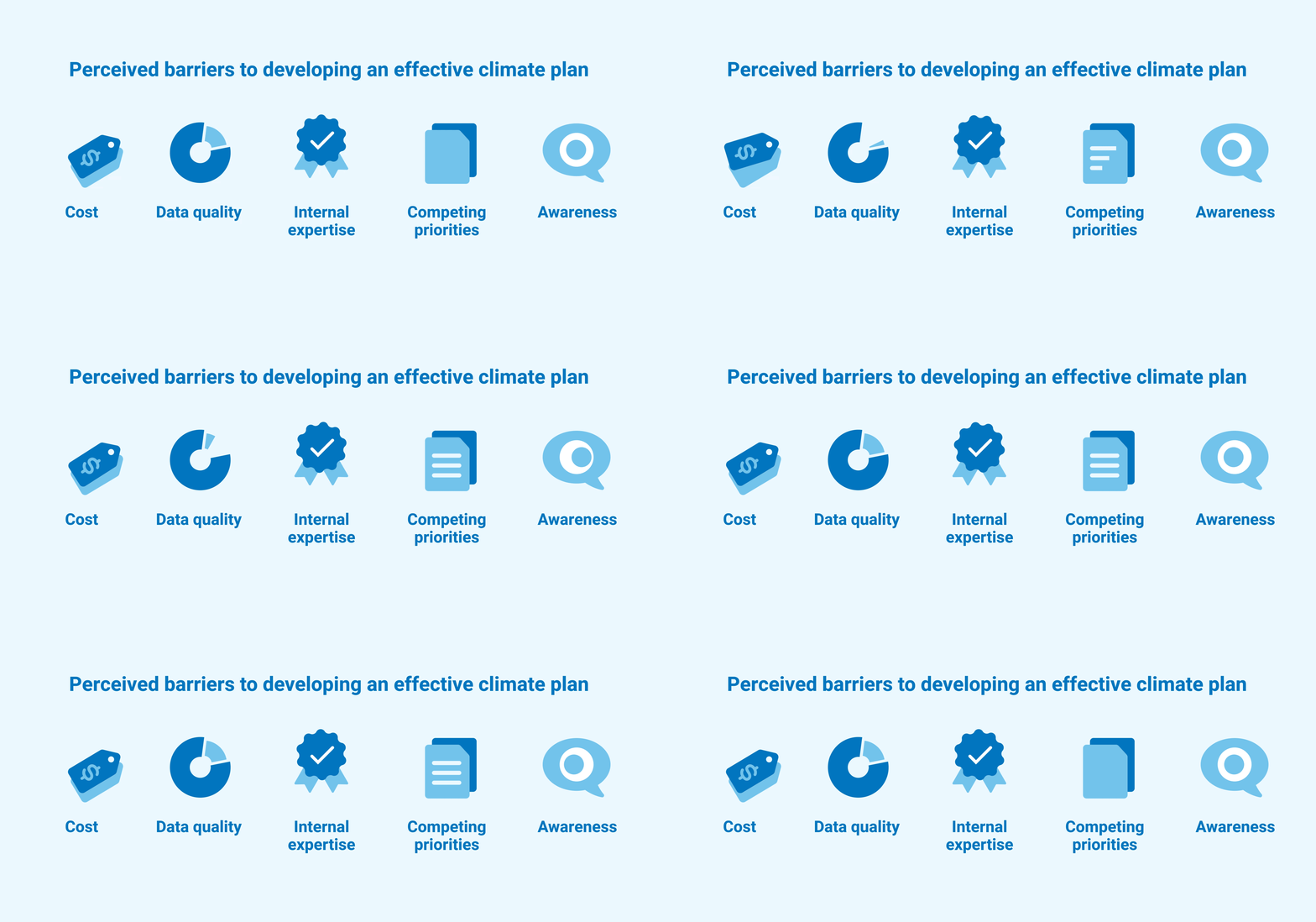
While business momentum is building, costs remain for a third consecutive survey the most frequently cited obstacle to effective climate action. Cost pressures are particularly pronounced in Canada, with 38% of business leaders there saying it’s an obstacle compared with 25% in the U.S.
Canadian businesses are more sensitive to carbon pricing and higher costs for low or zero-carbon products and services than their U.S. counterparts.
Business leaders in both geographies have concerns about energy costs, though they are being felt more deeply in the U.S. at a time when wholesale electricity prices have increased on growing demand. Indeed, 48% of U.S. respondents say they are “very concerned” about rising energy costs, compared with 42% of Canadian respondents.
The BMO Business Outlook: Spring 2026 described the operating environment as complex for U.S. companies and underscored how disciplined execution will be a key differentiator for them in the face of shifting global dynamics, including renewed geopolitical tensions.
Many business leaders are looking to financial institutions for support through advisory, investment, and lending solutions that help offset upfront costs, survey data showed. For example, 83% of respondents say they are interested in financial incentives tied to climate targets. The findings suggest that banks and other financial institutions will continue to have a role supporting business leaders and their climate strategies.
AI is viewed as a useful tool for climate planning and resilience.
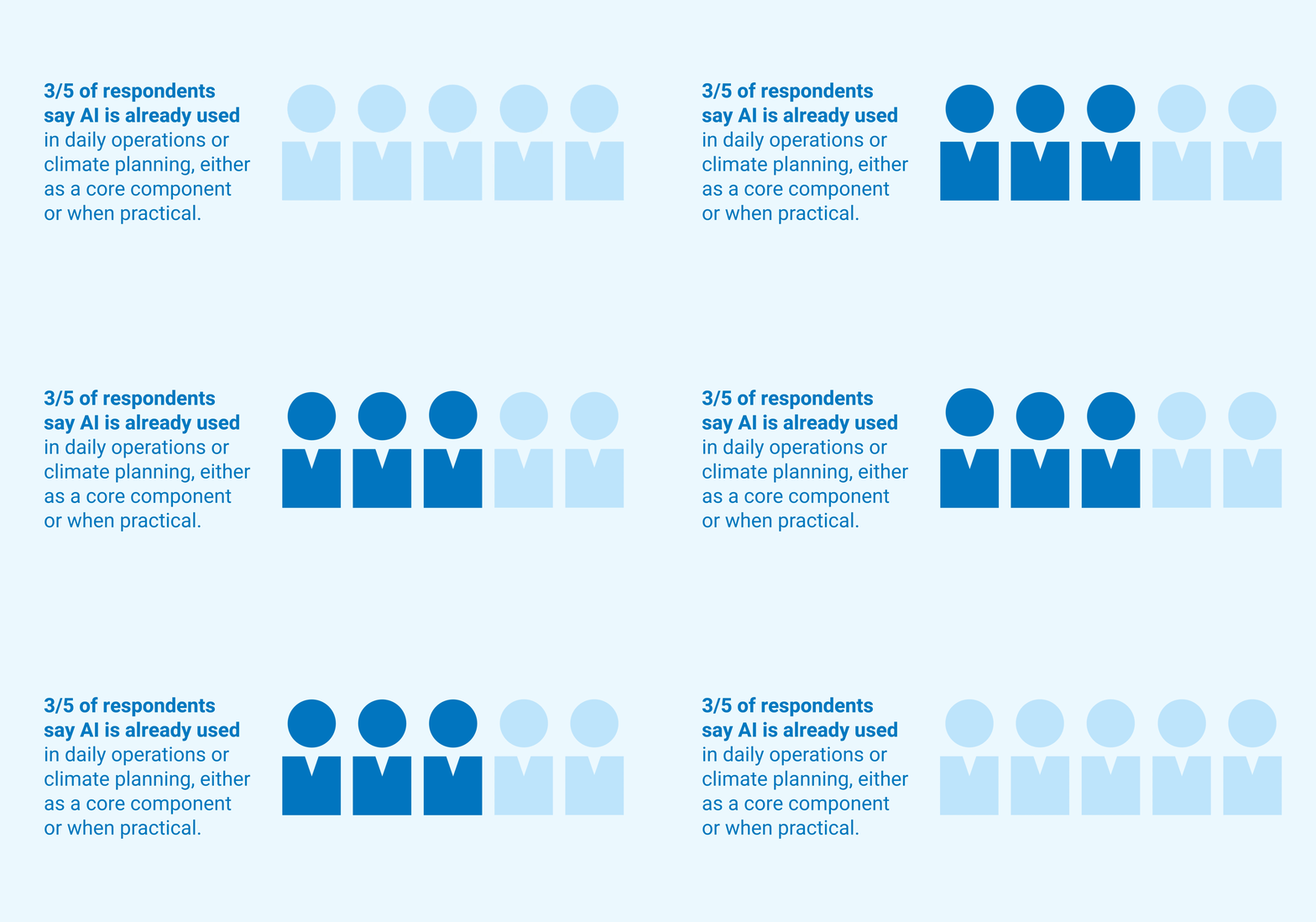
Most business leaders view AI as a valuable capability for developing climate strategies, strengthening resilience to extreme weather, and managing complex risk. Three‑fifths of respondents say AI is already used in daily operations or climate planning, either as a core component or when practical.
Adoption is slightly more advanced in the U.S. than in Canada, with 66% of U.S. business leaders saying their companies use AI in daily operations compared with 57% in Canada. Nearly two‑thirds of respondents (62%) expect AI investment to increase over the next year—signaling confidence in its long‑term role in climate and business strategy.
