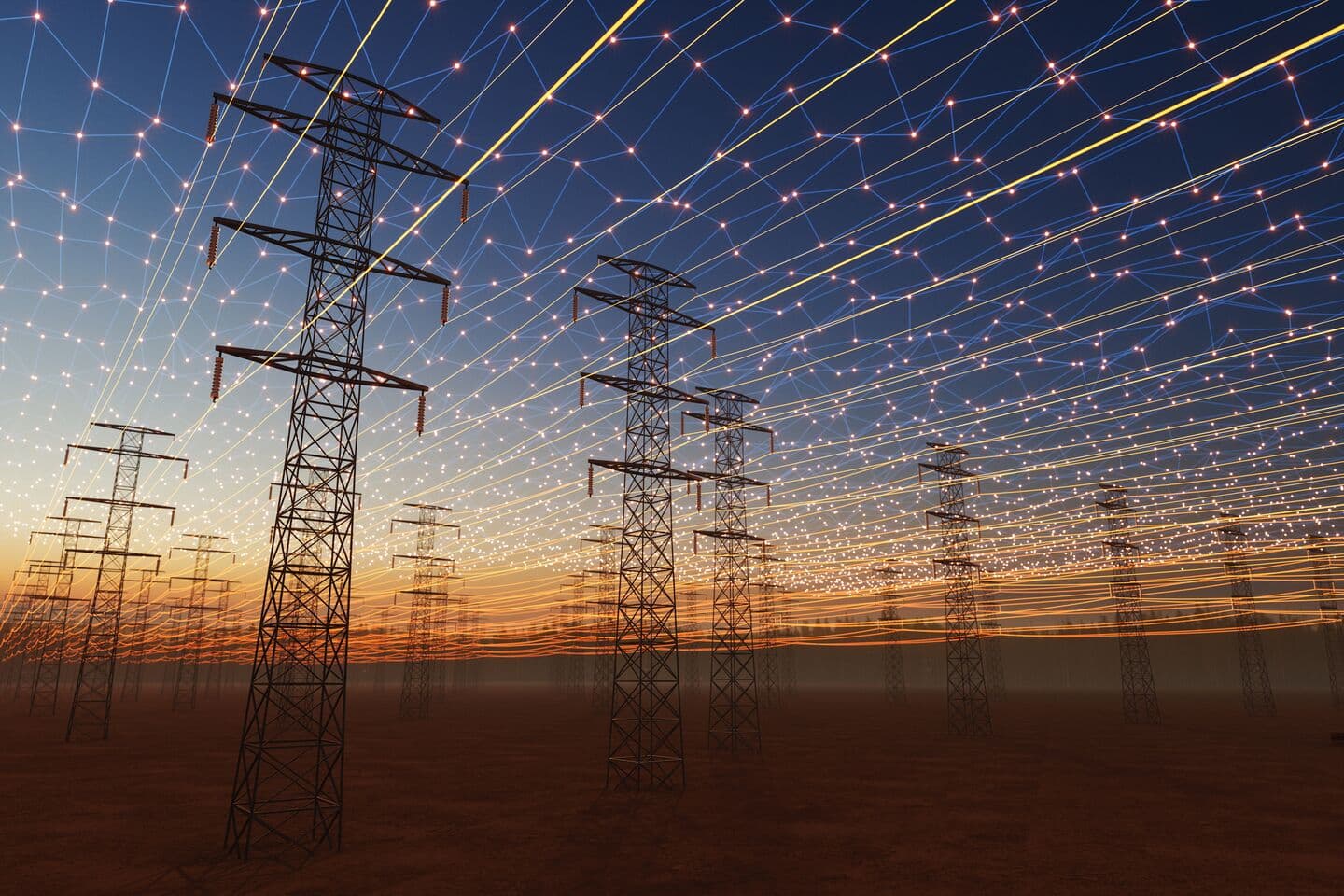


Energy policy, national security, resilience, and economic growth have often been treated as separate policy and investment priorities. Recently, they have been converging.
Rising electricity demand, geopolitical fragmentation, and increasingly costly extreme weather disruptions are placing new pressure on energy systems and creating a stronger and more urgent case for investment in secure and resilient supply chains and infrastructure.
A growing focus on defense and security does not preclude investments in clean energy and sustainable infrastructure. On the contrary, it can accelerate investment in areas that are crucial for economic competitiveness: domestic energy production, grid resilience, critical-mineral supply chains, advanced manufacturing, resilience to physical climate risk, and energy technology innovation. In the past, security-related investment has supported pivotal technologies including GPS, the internet, and integrated circuits. A similar exciting trend is now emerging across energy, infrastructure, and industrial policy. Opportunities lie where these priorities reinforce one another.
A dynamic macroeconomic picture

At this year’s Climate Week NYC gatherings and conversations, it was clear that this convergence is no longer theoretical. The energy transition continues to advance through large-scale deployment and investment. Renewable energy had already accounted for the vast majority of new global power capacity additions in 2024, and clean-energy investment has been exceeding investment in fossil fuels by a notable margin. Many conversations among business leaders reflect confidence that climate actions strengthen competitiveness and performance.
Meanwhile, the global outlook is experiencing both a major headwind and tailwind: geopolitical conflict and significant investment in AI, respectively. Conflicts in the Middle East and elsewhere have exposed the risks of concentrated and interdependent energy supply.
Climate Week participants also emphasized that rapid AI growth presents both challenges and opportunities for energy systems. Data-center electricity demand is rising sharply, placing additional pressure on grids and generation capacity. At the same time, AI has the potential to improve energy-system efficiency, optimize infrastructure, reduce costs, and support emissions reductions.
North America enters this period of volatility with significant advantages. Canada and the U.S. possess abundant and diverse energy resources, critical mineral reserves, integrated electricity and natural gas networks, liquid capital markets, advanced manufacturing capacity, and leading innovation ecosystems. These strengths create an opportunity to improve energy security and economic competitiveness while advancing innovative, cleaner energy sources. The challenge is to direct capital toward assets and technologies that strengthen resilience without losing sight of affordability and long-term growth.
Corporate responses to shifting government priorities and alliances

We noticed that a similar discussion took place this year at Climate Week gatherings in New York as well as San Francisco, Chicago, Toronto and other locations: the importance of translating sustainability objectives into business outcomes. As resilience becomes a strategic priority, sustainability teams increasingly serve as bridge builders across finance, operations, technology, risk, and strategy functions. Organizations that can align these perspectives are often better positioned to identify investment opportunities, manage emerging risks, and mobilize capital toward projects that support both resilience and growth.
Resilience, broadly defined, is emerging as an opportunity for companies to align with a wave of massive government and private sector expenditure. As governments focus on economic and energy independence, corporates can leverage increasingly available resources to diversify their energy sources and suppliers, while bolstering domestic industry.
In Canada, corporates that align with government priorities, such as partnering with Indigenous peoples and communities on energy and mining projects, may benefit from quicker approval times from the federal Major Projects Office. With the Canadian Government committing more than C$81 billion in additional funding for defense over the next five years, and Canada being chosen to host the Defense, Security, and Resilience Bank (DSRB), corporates that operate in security-related industries, including critical minerals, cybersecurity, and infrastructure hardening may benefit from this influx of investment.
In the U.S., the Department of Energy has issued tens of billions in loans and guarantees for critical mineral mining, processing, and manufacturing. Policy changes have also expanded opportunities for corporates in a variety of diversified energy areas including nuclear, grid modernization, geothermal, and battery storage. Natural gas generation is surging alongside data center demand, but cheaper, faster-to-build renewables will be key to sustaining public support remaining competitive in the global AI landscape. For example, solar still commands nearly 40% of power generation spend, despite relative softening demand.
The evolving relationship between defense and sustainable outcomes
Defense has historically been mostly excluded from sustainable finance and responsible investments mandates because of ethical concerns and the risk posed to human life. These mandates may exclude exposure to defense/military spending. However, the market is re-examining sustainable investment principles in light of increased government spending on defense. Some investors have indicated willingness to explore the concept of responsible defense investment principles.
As defense is increasingly reframed as security and resilience, investors’ policies are being updated to provide transparency on the types of defense spending that may be eligible while mitigating end-use risks and exposure to prohibited or controversial market segments.
Acting on a convergence of energy security and resilience
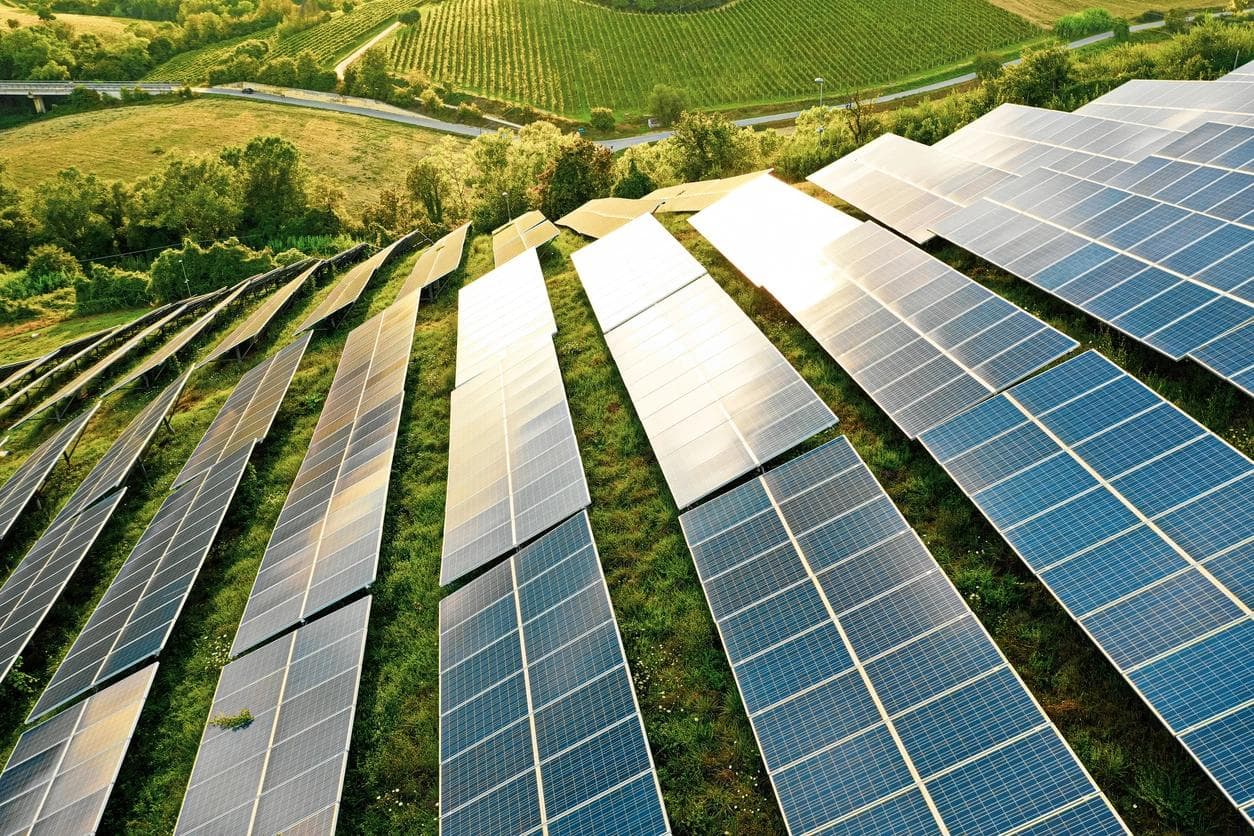
The same investments that diversify energy supplies, strengthen grids and critical infrastructure, secure strategic supply chains, and expand domestic production can reduce exposure to geopolitical and physical climate risks and support long-term growth.
The organizations that move most effectively to seize opportunities related to this convergence will be those that identify where security, resilience, and affordability reinforce one another—and mobilize capital in response. Financial institutions can play a pivotal role by helping clients navigate policy shifts, evaluate emerging risks, structure investable opportunities, and direct financing toward assets that strengthen both security and long-term prosperity.
One of the clearest messages from Climate Week NYC was that progress is being driven by practical investments in energy systems, infrastructure, supply chains, and technology. Success will depend not only on innovation and capital, but also on the ability of leaders to act now to bridge traditional organizational silos and connect resilience objectives with tangible business and societal outcomes. Opportunities lie ahead.
Angela Adduci, Director of Strategic Initiatives, BMO Climate Institute and Kathleen Oladejo, Analyst, Sustainable Finance, BMO Capital Markets, contributed to this article.